
Core Equipment for AAC Production Lines
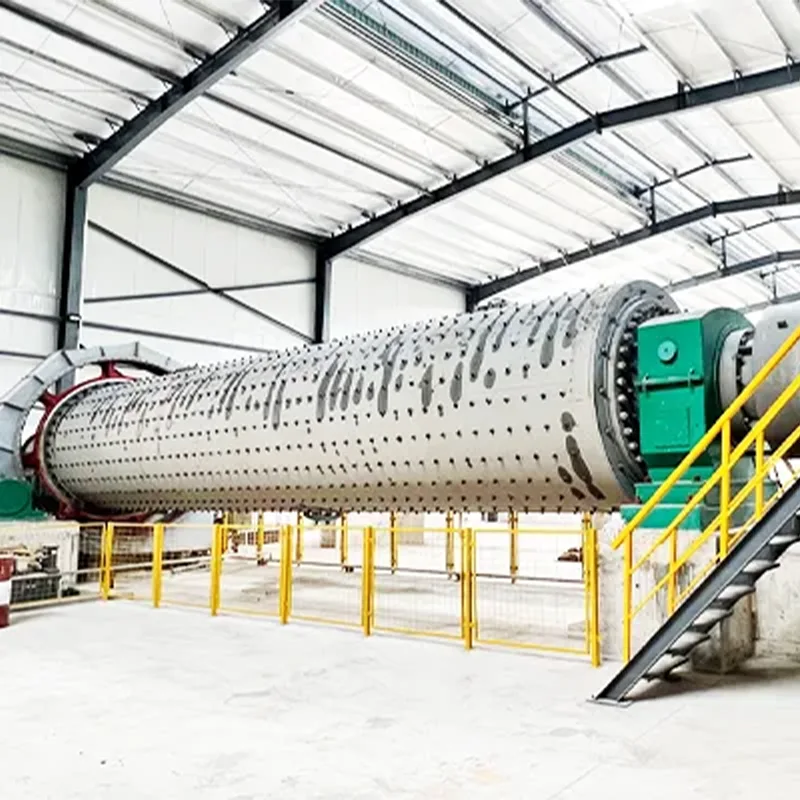
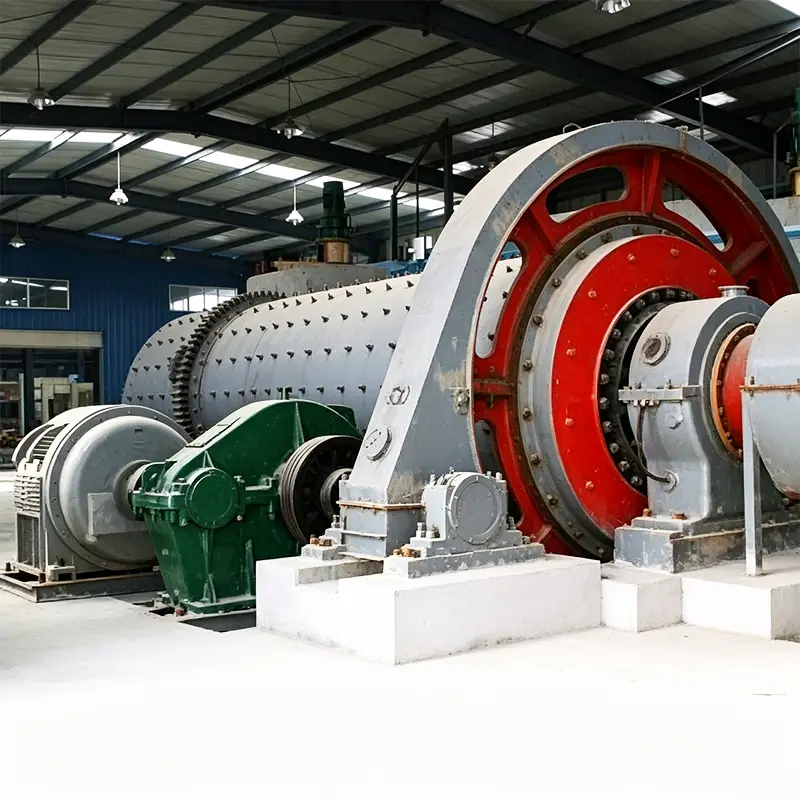
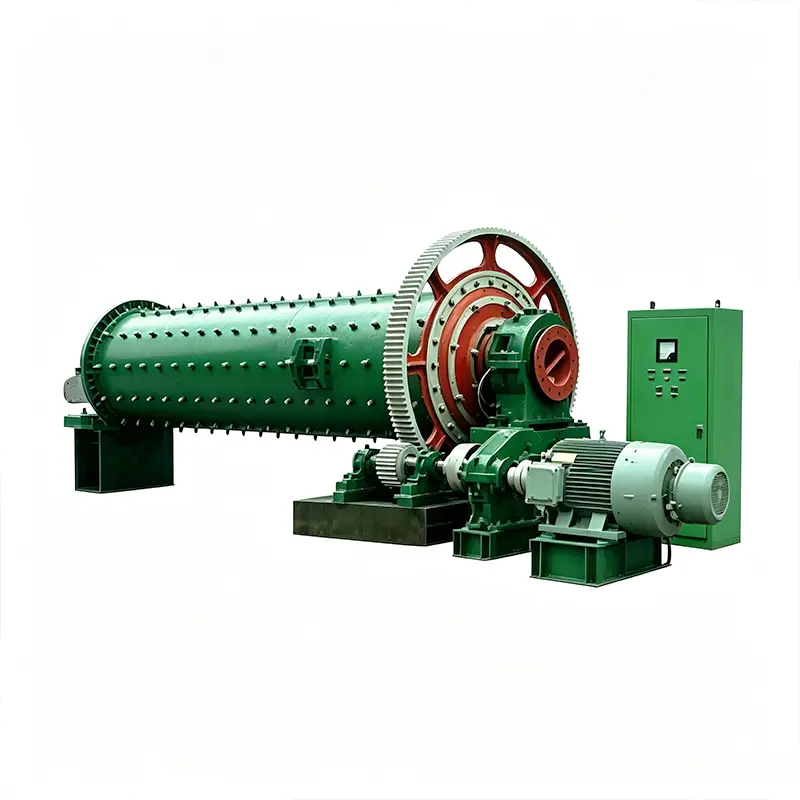
A ball mill is an important part of an AAC block-making machine, mainly used to grind raw materials such as sand, fly ash, lime, cement, and other additives into fine slurry. The grinding quality directly affects slurry reactivity, product strength, and the final quality of AAC blocks and panels.
With high grinding efficiency and stable operation, a high-performance ball mill helps improve raw material preparation, ensure consistent slurry quality, and support the long service life of finished AAC products.
Suitable AAC Production Line Capacities
Our ball mill series is designed for AAC production lines of different scales, providing reliable grinding performance for various raw materials and process requirements.
- Entry-level AAC lines: suitable for plants with an annual capacity of around 50,000 m³
- Standard AAC production lines: ideal for capacities from 100,000 to 200,000 m³ per year
- Large automated AAC lines: suitable for production capacities of 300,000 m³ per year and above
According to your plant layout, raw material conditions, and production targets, we can provide customized ball mill configurations, including single-chamber ball mills, double-chamber ball mills, dry grinding systems, and wet grinding systems.
Types of Ball Mill for AAC Production Line
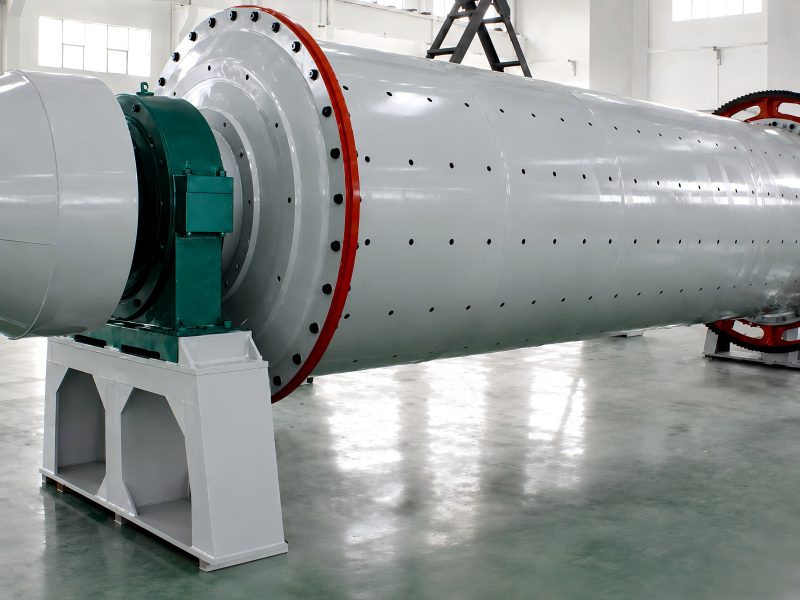
Dry Bearing Ball Mill (With Cast Steel Liner Plate)
The dry bearing ball mill is suitable for grinding dry raw materials before slurry preparation. It features stable bearing support, smooth operation, and reliable grinding performance, making it a practical choice for AAC plants that require efficient material preparation with easy maintenance.
| Model | Capacity (t/h) | Rotate Speed (rpm) | Grinding Ball (t) | Motor Model | Power (kW) | Gearbox Model | Rate | Weight (t) |
| Φ1.5×5.7M | 5–6 | 27 | 11 | JR127-8 | 130 | ZD40 | 3.15 | 21 |
| Φ1.83×7M | 7–10 | 23.9 | 20 | JR138-8 | 245 | ZD60 | 4.5 | 37 |
| Φ2.2×7M | 14–18 | 21.4 | 32 | JR158-8 | 380 | ZD70 | 5 | 52 |
| Φ2.4×8M | 16–19 | 20.4 | 38 | JR1510-8 | 570 | ZD80 | 5 | 72 |
| Φ2.4×10M | 18–22 | 20.4 | 55 | JR1510-8 | 630 | RZD80 | 5 | 96 |
| Φ2.4×13M | 23–28 | 20.4 | 70 | YR560-8 | 800 | MBY710 | 5 | 120 |
| Φ2.6×10M | 30–34 | 19.7 | 72 | YR560-8 | 800 | MBY770 | 5.6 | 130 |
| Φ2.6×13M | 35–38 | 19.7 | 78 | YR630-8 | 1000 | MBY800 | 5.6 | 146 |
| Φ3×11M | 35–40 | 18.14 | 100 | YR630-8 | 1250 | MBY800 | 5.6 | 163 |
| Φ3×13M | 38–42 | 18.14 | 110 | YR710-8 | 1400 | MBY900 | 5.6 | 174 |
| Φ3.2×13M | 55–60 | 17.6 | 120 | YR710-8 | 1600 | JDX1000 | 5.6 | 206 |
Wet Bearing Ball Mill (With Rubber Lining)
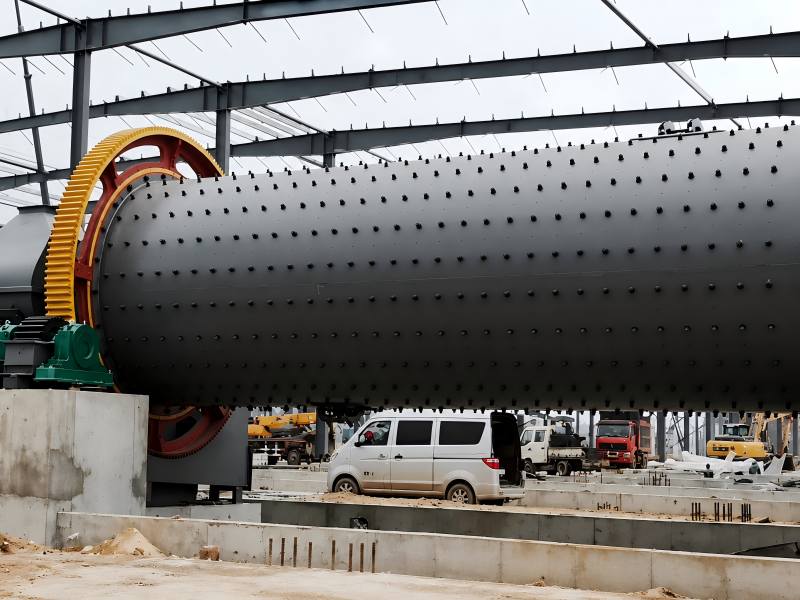
The wet bearing ball mill is mainly used for wet grinding raw materials mixed with water, especially sand or fly ash slurry. It helps produce uniform slurry with suitable fineness, improving the reaction efficiency of raw materials and supporting the production of high-quality AAC blocks and panels.
| Model | Capacity (t/h) | Rotate Speed (rpm) | Grinding Ball (t) | Motor Model | Power (kW) | Gearbox Model | Rate | Weight (t) |
| Φ1.5×5.7M | 5–6 | 27 | 11 | JR127-8 | 130 | ZD40 | 3.15 | 16 |
| Φ1.83×7M | 7–10 | 23.9 | 20 | JR138-8 | 245 | ZD60 | 4.5 | 27 |
| Φ2.2×7M | 14–18 | 21.4 | 32 | JR158-8 | 380 | ZD70 | 5 | 38 |
| Φ2.4×8M | 19–23 | 20.4 | 38 | JR1510-8 | 570 | ZD80 | 5 | 50 |
| Φ2.4×10M | 24–28 | 20.4 | 55 | JR1510-8 | 630 | RZD80 | 5 | 70 |
| Φ2.4×13M | 25–30 | 20.4 | 70 | YR560-8 | 800 | MBY710 | 5 | 86 |
| Φ2.6×10M | 30–35 | 21.4 | 72 | YR560-8 | 800 | MBY710 | 5.6 | 102 |
| Φ2.6×13M | 35–38 | 21.4 | 78 | YR630-8 | 1000 | MBY800 | 5.6 | 118 |
| Φ3×11M | ~38 | 19.7 | 100 | YR630-8 | 1250 | MBY800 | 5.6 | 122 |
| Φ3×13M | ~40 | 19.7 | 110 | YR710-8 | 1400 | MBY900 | 5.6 | 132 |
| Φ3.2×13M | ~50 | 17.76 | 120 | YR710-8 | 1600 | JDX1000 | 5.6 | 160 |
Choosing the Right Ball Mill
The choice between a dry bearing ball mill and a wet bearing ball mill depends on the raw material type, production process, plant capacity, and slurry preparation requirements. A properly selected ball mill can improve grinding efficiency, reduce energy waste, and ensure stable AAC product quality.