Blog

Improve AAC Material Feeding Accuracy with Screw Conveyors

How to Improve AAC Material Feeding Accuracy with Screw Conveyors?

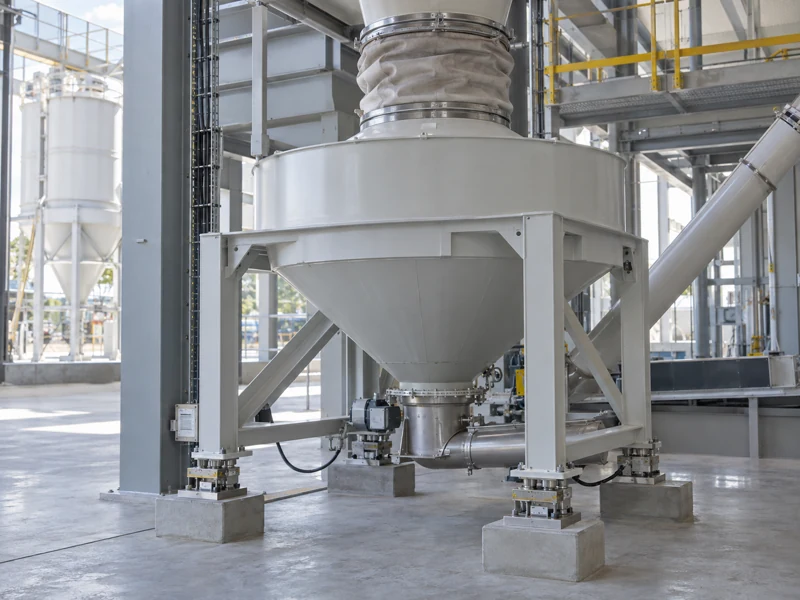
AAC screw conveyors deliver steady material flow and precise feeding to stabilize batching accuracy, laying a solid foundation for consistent AAC block manufacturing. Optimized screw structures, adjustable rotational speed and upgraded sealing components cut powder waste and ensure even conveying of cement, lime and other powdery raw materials. Factors Affecting AAC Material Feeding Accuracy Stable […]

How to Improve AAC Material Feeding Accuracy with Screw Conveyors? Read More »

AAC Block Manufacturing Line for 200–1500 CBM Capacity

AAC Block Manufacturing Line for 200–1500 CBM/Day Capacity

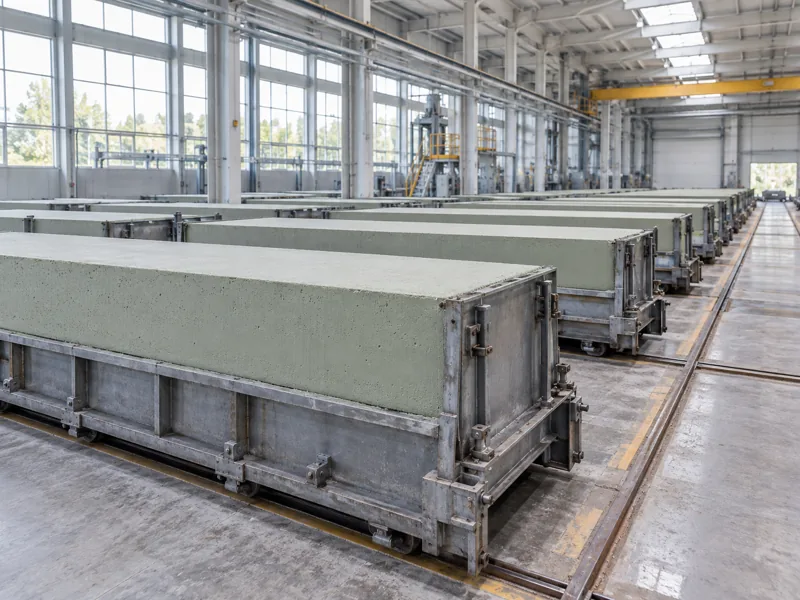
The production capacity of AAC blocks determines equipment selection, plant layout design, energy consumption, raw material preparation and automation standards for various production scales. Production lines ranging from 200 to 1500 cubic meters daily demand differentiated engineering schemes in terms of equipment parameters, material conveying efficiency, material storage volume and cross-process production coordination. Capacity Range

AAC Block Manufacturing Line for 200–1500 CBM/Day Capacity Read More »

AAC Block Factory Owners Improve Production Capacity Without Expanding Space

How AAC Block Factory Owners Improve Production Capacity Without Expanding Space?

AAC manufacturers can improve production capacity without expanding factories by optimizing space utilization, balancing equipment performance, and reducing inefficient material transfer processes. A well-designed AAC production line improves workflow from batching to autoclaving, helping factories achieve higher output through better equipment connection and customized solutions. Optimize Existing AAC Factory Layout Most factories arrange equipment based

How AAC Block Factory Owners Improve Production Capacity Without Expanding Space? Read More »

7 Signs Your AAC Aluminum Slurry Mixing System Needs an Upgrade

7 Signs Your AAC Aluminum Slurry Mixing System Needs an Upgrade

AAC aluminum slurry mixing affects gas formation, pore structure, density consistency, and block quality. Stable slurry preparation ensures reliable casting performance. Upgrading depends on mixing accuracy, production capacity, maintenance needs, and process integration. Seven signs help identify when improvements are required. Sign1: Unstable Aluminum Slurry Concentration The concentration of aluminum slurry directly affects the chemical

7 Signs Your AAC Aluminum Slurry Mixing System Needs an Upgrade Read More »

8 Ways to Improve AAC Block Quality with Better Aluminum Slurry Mixing

8 Ways to Improve AAC Block Quality with Better Aluminum Slurry Mixing

The quality of AAC blocks hinges on aluminum slurry preparation, which determines pore structure, density uniformity, expansion regulation and finished product performance. Stable aluminum slurry mixing realizes even powder dispersion and precise reaction control, enabling steady AAC manufacturing with dependable equipment operation. Slurry Mixing Factors Determining AAC Block Quality The aluminum slurry mixing process mainly

8 Ways to Improve AAC Block Quality with Better Aluminum Slurry Mixing Read More »

AAC Manufacturers Reduce Expansion Problems

How AAC Manufacturers Reduce Expansion Problems with Better Aluminum Slurry Mixing?

AAC expansion control relies on aluminum slurry quality. Consistent mixing guarantees even dispersion, precise concentration and stable gas evolution in production. Optimized aluminum slurry preparation minimizes expansion variation, improves uniformity of block density, and enables stable, efficient AAC manufacturing for large-scale production lines. Aluminum Slurry Mixing in AAC Expansion Control Aluminum powder generates hydrogen gas

How AAC Manufacturers Reduce Expansion Problems with Better Aluminum Slurry Mixing? Read More »

Why Air Bubble Control Matters

Why Air Bubble Control Matters in AAC Slurry Casting?

The internal quality of AAC slurry is finalized at casting. Regulated pores guarantee steady density, mechanical strength and uniform finished block properties. Scientific bubble conditioning stabilizes slurry prior to pouring, eliminates structural flaws, evens pore layout and ensures high-efficiency AAC manufacturing. Air Bubble Control in AAC Slurry Casting Key Control Factor Influence on AAC Production

Why Air Bubble Control Matters in AAC Slurry Casting? Read More »

AAC Bubble Removing Device Selection Guide

AAC Bubble Removing Device Selection Guide for Better Block Strength

Pore regulation determines AAC blocks’ compressive strength, uniform density and surface finish. Defoaming equipment stabilizes raw slurry and optimizes internal pore structure. Manufacturers select matched devices according to raw materials, output and factory layout. Customized machinery enhances operational performance, line compatibility and overall production stability. AAC Bubble Removing Device Uniform internal pores decide AAC block

AAC Bubble Removing Device Selection Guide for Better Block Strength Read More »

AAC Ferry Cart Maintenance Tips

AAC Ferry Cart Maintenance Tips to Avoid Production Delays

Regular upkeep of AAC ferry trolleys guarantees steady mold delivery, precise positioning and uninterrupted production. It cuts equipment downtime and enhances coordination between devices. Maintenance schedules should be customized based on factory output, mold load, operation frequency and workshop layout to sustain consistent transport operation. Key Maintenance Areas of AAC Ferry Cart Each part influences

AAC Ferry Cart Maintenance Tips to Avoid Production Delays Read More »

AAC Ferry Cart vs Manual Mold Transportation

AAC Ferry Cart vs Manual Mold Transportation: Efficiency Comparison

Mold transit links casting, curing, cutting and recycling procedures in AAC production, directly impacting operational stability, process efficiency and overall output. Custom rail-mounted ferry trolleys optimize mold turnover, cut manpower costs and sustain non-stop production. AAC Mold Transportation Process in AAC Production Traditional manual transportation mainly depends on workers or mobile equipment to complete mold

AAC Ferry Cart vs Manual Mold Transportation: Efficiency Comparison Read More »