
An AAC cutting line changes block sizes with less disruption when the next approved setup is prepared before the current run ends and the change is coordinated with casting, handling and packing. Define the last cake of the old format, verify the physical cutting setup against the selected recipe, and release the new run only after checking its first output. Faster adjustment helps only if the rest of the line is ready for the new product.
What Kind of Size Change Is Being Planned?
Separate a cutting-pattern change from a change in the cake or mould format. A different block thickness within the accepted cake envelope may require only the machine’s approved setup procedure. A different cake envelope can affect transfer supports, available travel and other equipment interfaces.
Create a product matrix showing the dimensions and features required for each saleable item. Include handgrips or profiles where applicable, as well as the intended packing arrangement. Two products with similar dimensions may still require different tooling or downstream handling.
Check the AAC cutting machine configuration against that matrix. Ask the supplier which adjustments are manual, which are controlled automatically and which require additional hardware. Do not interpret a touchscreen recipe list as proof that every physical setting changes automatically.
Which Setup Information Should Be Prepared in Advance?
Use a controlled setup sheet for each approved format. It should connect the product code to the machine settings, cutting arrangement and inspection requirements. Identify the current revision so that operators do not choose between several similar paper copies.
Prepare the required wires, fixtures, measuring equipment and replacement parts outside the interruption period where the supplier’s procedure permits it. Check their suitability and condition before the old run finishes. Searching for a missing component after stopping the line adds avoidable delay without improving the setup.
- Confirm product dimensions, orientation and required profiles.
- Identify the approved mechanical and control settings.
- Prepare the specified components and inspection equipment.
- Assign responsibility for adjustment and independent verification.
- State the first-output acceptance criteria and release authority.
A preparation list is most useful when it describes actual equipment. Avoid a generic checklist that mentions adjustments the installed machine does not have. The supplier’s operating and isolation procedures should govern any work inside the cutting equipment.
How Should the Last Old-Format Cake Be Identified?
Define the transition point before changing either the machine or the production record. The last old-format cake may still be moving through several stations while the new setup is being prepared. Operators need a shared view of where that boundary sits.
Use the plant’s approved identification method to carry the product assignment through the route. A spoken instruction at cutting can be lost before packing receives the cake. Record the first cake assigned to the new format and make its status visible to the teams that handle it later.
Include held or reworked cakes in this handover. A cake temporarily outside the normal sequence should not return with an assumed format based solely on the current machine recipe. Resolve its identity before it rejoins production.

How Does Cake Readiness Affect the Changeover Window?
The next cake must be suitable for the intended handling and cutting operation when the line is ready to receive it. Coordinate casting and precuring with the planned interruption instead of letting cakes arrive without a place in the schedule. A fast mechanical change is of little value if it creates a problematic queue upstream.
Use the established process criteria for readiness, including the conditions appropriate to the recipe and equipment. Do not reduce required preparation time simply to recover a schedule. Likewise, review the implications of an extended wait with the process team rather than assuming that every cake can remain in the queue indefinitely.
Check whether a proposed product change also alters the cake format. The mould and side plate interfaces then need review alongside the cutter. Treat that as a broader line change, with its own approved scope and verification steps.
What Needs Checking on the Cutting Equipment?
Verify that the installed wire or tool arrangement corresponds to the approved product setup. Check the relevant locating points, mounting condition and tensioning provisions according to the machine instructions. Entering a product code does not compensate for a physical arrangement left from the previous run.
Where a system uses several cutting stages, confirm their combined output. A thickness setting at one stage and a cross-cutting arrangement at another must refer to the same product plan. Review any profiling or trimming setup included in the change.
Keep adjustment limits and operating values specific to the equipment. Universal wire tension, speed or movement recommendations can be inappropriate across different cutting systems. Have the supplier provide the approved procedure and explain how operators verify that the adjustment has been completed.
What Should the First-Output Check Include?
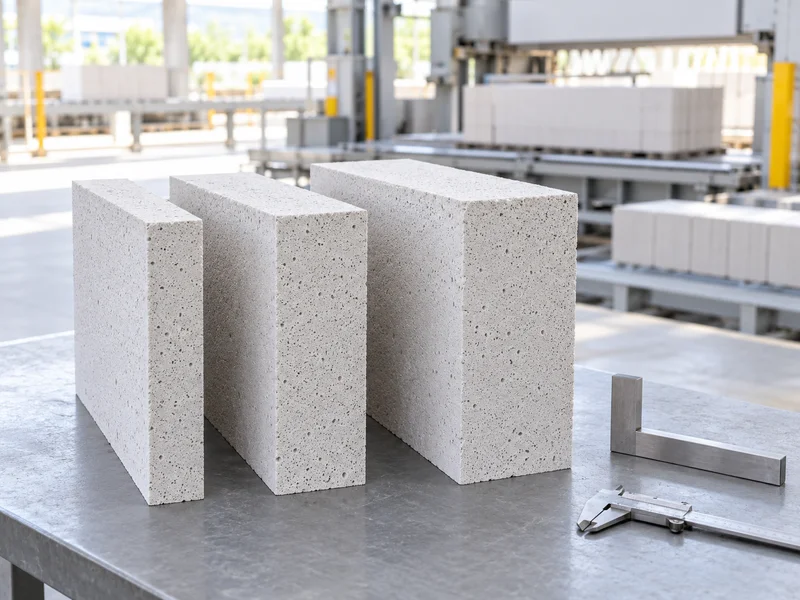
Inspect the new format before treating the run as established production. Confirm the agreed dimensions and the product features affected by the setup. Include observations of edge condition, cut quality and handling behaviour where these form part of the plant’s acceptance plan.
Record the inspected cake or batch and the actual settings used. If a correction is required, identify the material produced before the correction and control its disposition. This prevents uncertain output from becoming mixed with accepted material after the line restarts.
| Checkpoint | Question to Settle |
| Before stopping | Are the next setup and required components ready? |
| At the transition | Which cake is the final old format and first new format? |
| After adjustment | Do the physical arrangement and selected recipe agree? |
| First output | Does the inspected product meet the approved criteria? |
| Downstream release | Are identification, handling and packing ready for the format? |
Define how checks after curing relate to the earlier cutting checks. Green-stage inspection provides timely feedback, while the finished product must still meet the applicable order requirements. Agree the inspection plan rather than assuming that one early measurement replaces all later quality control.
Why Must Packing Be Included in the Handover?
A new block size can change the number and arrangement of blocks in a pack. It may also affect the handling pattern and the approved pallet or packaging setup. Give the downstream team the product information early enough to prepare before the first new-format material arrives.
Check whether separation and transfer equipment require an approved format adjustment. A cutting line that changes successfully can still cause disruption if the next station handles the new product with the old setup. The transition record should follow the material until it reaches its intended pack identity.
Reconcile labels and production counts with the actual pack configuration. The same cake count does not necessarily produce the same number of packs across different formats. Recording both product identity and quantity helps avoid a reporting error that looks like a production loss.
Which Delays Should the Changeover Record Distinguish?
Record the start and finish events used to time each transition. One useful plant measure is the interval between the last accepted output of the old format and the first accepted output of the new format. Record mechanical adjustment time separately so that inspection, waiting and downstream delays remain visible.
Compare similar transitions. Switching between two familiar thicknesses may require different work from introducing a new profile or changing the cake envelope. A single average can hide the transitions that need tooling, training or schedule improvements.
For an illustrative review, suppose a transition includes 12 minutes of adjustment, eight minutes waiting for a prepared cake and five minutes of verification. Reducing adjustment by three minutes helps, but eliminating the avoidable waiting has a larger effect in that example. These invented durations show how to analyse delay; they are not expected machine changeover times.
What Should Buyers Ask Suppliers to Demonstrate?
Specify representative product transitions during the purchase discussion. Ask the supplier to demonstrate the preparation, adjustment and verification steps using the quoted equipment configuration. Identify any additional tooling or operator tasks excluded from an advertised automatic change.
Use the observed sequence to plan staffing, training and spare components. Record the conditions behind any promised changeover time, including whether preparation and first-output inspection are included. This makes the performance claim meaningful for the actual production schedule.
Provide Runding with the planned block sizes, order sequence and expected frequency of changes when discussing the cutting line. The resulting proposal should show how each transition is handled across the equipment boundary. Less disruption comes from a repeatable, verified transition that delivers the correct product to packing.