
Before automating AAC packing, confirm the pallet’s dimensions and permitted variation, bottom structure, entry openings, supported load and condition limits with the packing equipment supplier. Provide drawings and representative physical samples, then verify how the pallet is separated from a stack, conveyed, loaded and removed. A familiar pallet size does not establish compatibility with the complete automated system.
This article concerns the pallets used for finished AAC packs. Production side plates and curing carriers perform different duties and should have separate specifications. Keep those terms distinct in quotations so that the proposed pallet handling equipment is assessed against the correct load and process stage.
Why Should the Pallet Be Specified Before the Packing Machine?
The pallet is a mechanical interface that travels through several machines. Its underside meets the conveyor, its openings interact with handling equipment, and its upper surface supports the finished pack. A change to the pallet construction can alter its contact with several machines along that route.
Start with the intended pack footprint, loading pattern and dispatch method. Then agree a pallet design that works through the proposed AAC packing section. Selecting machinery first and accepting whatever pallets are locally available leaves compatibility decisions until commissioning.
The purchasing team should include the pallet supplier in this discussion. A drawing approved by the machine builder is useful only if the pallet supplier can repeatedly manufacture and deliver that specification. Agree how changes to material or construction will be communicated.
Which Dimensions Matter Beyond Length and Width?
Specify the overall footprint and height, but also define the features the machines actually locate or support. These may include the bottom runners, blocks, deck boards, fork openings and accessible edges. The relevant dimensions depend on the proposed handling mechanism.
Include permitted variation for the important features instead of relying on nominal dimensions alone. The machinery supplier should identify which limits are critical for its guides, stops and lifting devices. Avoid adopting one universal tolerance for every feature without considering how the equipment engages the pallet.
How Should Orientation Be Recorded?
Define the direction in which the pallet enters each machine and show the underside in the drawing. A rectangular pallet rotated through a right angle changes more than the width presented to the conveyor. The relationship between its supporting members and the conveyor contact points can also change.
Identify any point where the pallet turns or changes conveyor direction. Confirm the required support and clearance through that transfer. A pallet that travels smoothly along one straight conveyor may behave differently at the next interface.
What Must the Pallet Feeder Know About the Stack?
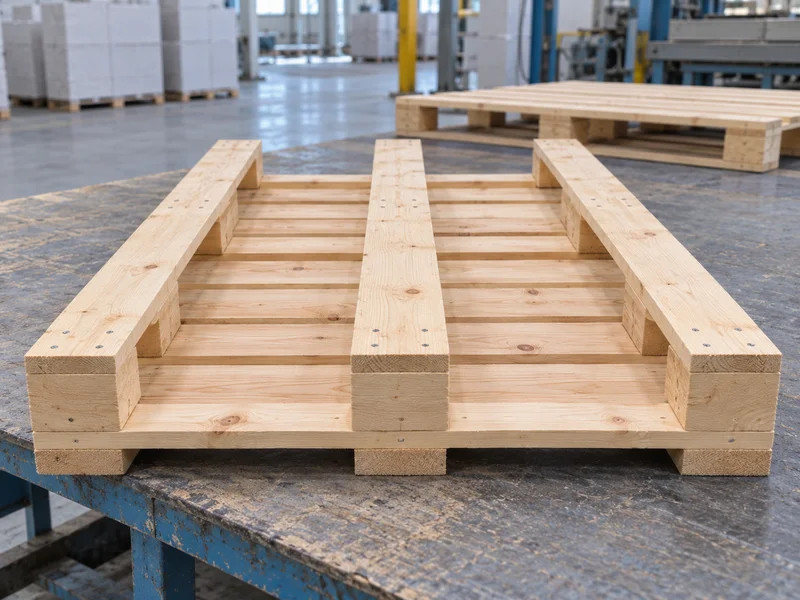
The feeder needs to separate one pallet while controlling the remaining stack. Compatibility therefore depends on how its lifting, supporting or separating parts engage the pallet construction. Empty pallet weight and stack condition also belong in the specification.
When reviewing the AAC pallet feeder, provide a complete pallet drawing and sample stack. Confirm the proposed separation method with the supplier rather than assuming that all pallets within a stated footprint range will dispense correctly. The construction details can be decisive even when length and width match.
Document the intended stack height, number of pallets and method of replenishment. Check the space needed for loading the magazine and removing unsuitable pallets. These activities should fit the production layout without forcing routine traffic through protected machine areas.
Can Different Pallet Types Be Mixed?
Only use a mixture that the supplier has explicitly assessed for the proposed operating sequence. Similar-looking pallets may have different opening heights, board positions or nesting behavior. A mixed stack can introduce a condition that was absent from a demonstration using one uniform pallet type.
If the business needs multiple formats, identify them as separate approved configurations. Specify the changeover process and how operators confirm the selected format. The production plan should account for any adjustments or clearing of the magazine between types.
How Should Pallet Load Capacity Be Defined?
Define the heaviest intended finished pack, including the pallet and packaging where relevant to the equipment rating. Describe the distribution of the blocks and the points supporting the pallet at each stage. Have the pallet supplier evaluate the loading on each proposed support arrangement, including transfers and storage.
The pallet supplier should assess the proposed construction against those conditions. The packing machinery supplier needs the resulting load and deflection limits to check handling clearances. Review both strength and shape under load, because excessive bending can interfere with movement even before a structural failure occurs.
Use the expected dispatch condition of the AAC products when establishing pack mass. Do not substitute a nominal dry material density for an agreed finished-pack weight without checking whether it represents the actual operation. Product mix and pack geometry should be included in the loading specification.
Which Dispatch and Storage Duties Must the Pallet Support?
Confirm whether the pack will be handled by forklifts, stored on the floor or placed in a rack. These uses may impose different support conditions on the pallet. The specification should cover the intended logistics route rather than ending at the last conveyor.
Also define any intended reuse cycle. A returnable pallet needs a condition assessment before it re-enters the packing system. Its original rating does not establish that a damaged or altered pallet remains suitable for automated handling.
Which Quality Limits Should Be Agreed With the Pallet Supplier?
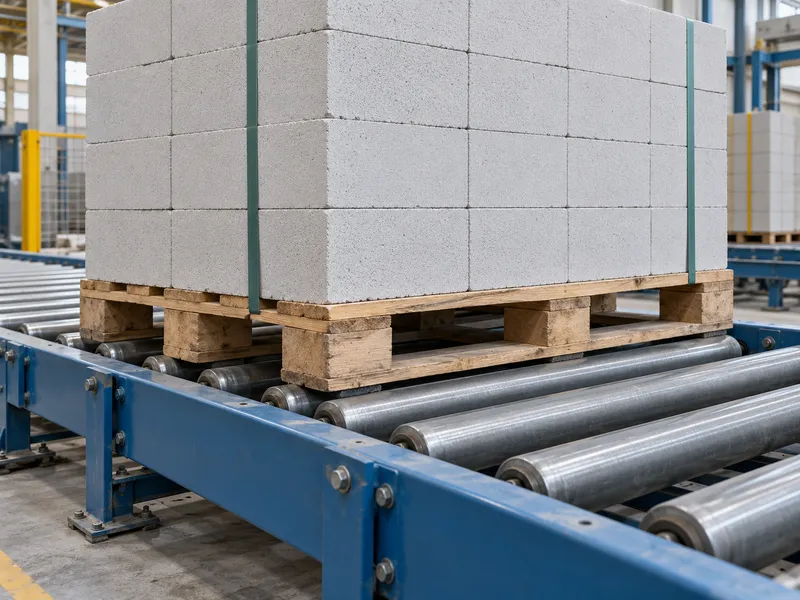
Define observable acceptance criteria for geometry, surface condition and structural integrity. For timber pallets, the review may cover loose boards, protruding fasteners, splits and distortion. Other materials need criteria appropriate to their construction, such as damaged feet or deformed contact surfaces.
Relate the criteria to the equipment’s actual contact and locating points. A defect near a lifting engagement can matter differently from a superficial mark elsewhere. The pallet and machine suppliers should agree which conditions require rejection before the pallet enters the magazine.
| Specification Item | Interface Affected | Evidence to Obtain |
| Footprint, height and variation | Guides, stops and pack position | Controlled dimensional drawing |
| Underside and entry geometry | Conveying, lifting and separation | Underside views and physical samples |
| Load and support conditions | Deflection and handling clearance | Supplier assessment for the intended duty |
| Stack arrangement | Magazine loading and single-pallet release | Representative stack trial |
| Condition and rejection limits | Reliable location and movement | Agreed incoming inspection criteria |
Storage conditions also matter to consistency. Record whether pallets arrive dry, are stored outdoors or may carry loose packaging and debris. The agreed handling process should include preparation and inspection before automated feeding.
What Should a Pallet Compatibility Trial Demonstrate?
Use samples that represent the pallets expected in routine deliveries, including accepted dimensional variation. A demonstration with one carefully selected pallet proves little about a production supply. Agree the sample selection and acceptance criteria before the trial.
Follow the pallet from the magazine through conveying and loading to the finished-pack handover. Observe separation, locating, transfers and support under the intended load. Record any adjustments made during the demonstration so that the approved settings can be reproduced.
Which Fault Conditions Need a Defined Response?
Review how the system identifies an empty magazine, an incorrectly positioned pallet or a failed release. Establish the intended stop and recovery arrangements with the machinery supplier. Recovery should follow the supplied safety procedures and should not rely on reaching into moving equipment.
Agree what the trial must show after a normal replenishment or format change. These transitions are part of production, not exceptional events to omit from acceptance. Include the people responsible for operating and maintaining the system in the review.
What Belongs in the Final Pallet Specification?
The approved package should contain the pallet drawing, material and construction details, load conditions, accepted variation and rejection criteria. Link it to the machine configuration and the tested sample records. Keep the pallet supplier’s revision identifier visible in the purchasing documents.
For a Runding packing proposal, provide the intended finished-pack dimensions, weight, pallet samples and dispatch method together. Confirm the magazine, conveyors and loading station against that shared specification. Retain the tested pallet definition with the equipment records so that future purchases can be checked against it.