
An AAC plant delivery schedule can be confirmed when the equipment scope, approved technical inputs, commercial release conditions, shipping arrangements and site receiving requirements are sufficiently defined. The buyer and supplier should agree which milestone the quoted date represents and which assumptions it depends on. A manufacturing completion date alone does not establish arrival, installation or production readiness.
Which Date Is Being Confirmed?
Begin by naming the milestone. Ready for inspection, ready for dispatch, handed to the carrier, arrived at port and delivered to site are different events. A schedule becomes difficult to manage when the buyer and supplier use the same word for different endpoints.
Request a sequence that shows engineering approval, purchasing, fabrication, inspection, packing and transport. Add site receipt and installation where those activities fall within the agreement. Each milestone should identify its responsible party and the information needed to release the next step.
Record dates as confirmed commitments or planning targets according to the actual agreement. Explain unresolved dependencies beside the affected milestone. A precise calendar date based on an unapproved drawing is still conditional, even if it appears in a formal-looking schedule.
The Technical Release File
Product and Capacity Basis
The supplier needs the intended product range, dimensions and relevant performance requirements. Clarify whether the project covers blocks, reinforced panels or a phased combination. The production assumptions should also identify the operating schedule and how capacity is defined.
Late changes to product dimensions or reinforcement requirements can affect equipment, handling and controls. Resolve those choices before treating the production slot as fixed. Compare the agreed scope with the AAC equipment sections so that supporting systems are not overlooked.
Site and Interface Inputs
Provide the approved layout, equipment elevations, available utilities and connection boundaries at the level required by the supplier. Identify the party responsible for foundations, building clearances and local connections. A drawing should carry a revision and approval status that everyone can recognize.
Keep site measurements separate from assumptions awaiting verification. For unfinished buildings, distinguish surveyed or formally approved interface dimensions from values that may still change during construction. Fabricating to an assumed interface can create rework even when the equipment itself arrives on time.
Raw-material information may also influence process equipment and design. Submit the required test data through the agreed engineering process and record any outstanding trials. A schedule should show whether those results are a prerequisite for design release.
The Commercial Release File
Confirm the equipment list, exclusions, options and services included in the order. Resolve whether installation supervision, commissioning, training and spare parts travel with the main shipment or follow separately. The buyer should not discover after dispatch that a necessary service was never scheduled.
Identify the contractual event that starts the lead-time clock. It might depend on a combination of order acceptance, payment, drawing approval and receipt of technical information. Use the agreed wording and obtain clarification where several events are referenced without a clear starting rule.
Payment conditions and approval responsibilities should be visible to the project coordinator. A completed machine can remain undelivered if the agreed dispatch release has not occurred. Record responsible contacts for decisions, while keeping confidential banking information out of broadly circulated planning documents.
| Required Input | Evidence to Record | Schedule Dependency |
| Equipment scope | Approved list and exclusions | Defines the production package |
| Technical approvals | Drawing revisions and acceptance dates | Releases engineering or fabrication |
| Commercial conditions | Order and release status | Starts or permits agreed work stages |
| Shipping plan | Route, cargo details and booking responsibility | Connects dispatch to arrival |
| Site receiving plan | Access, unloading and storage readiness | Allows delivery to be completed |
The Shipping and Receiving File
Cargo Information
Ask for the expected package count, dimensions, weights and handling requirements when available. Large or unusual loads may require arrangements that differ from standard containers. The logistics team needs this information early enough to assess the route and receiving resources.

Agree the inspection and packing documentation required before dispatch. Check how items will be identified against the equipment list and installation sequence. A shipment that arrives complete but cannot be efficiently located or unpacked can still delay site work.
Clarify responsibility for export documents, transport bookings, insurance where applicable and import clearance. Use the delivery term specified in the contract, including its named place and version where relevant. Do not infer responsibility from a freight estimate or an informal message.
Arrival and Site Access
Provide the delivery address, receiving hours and a named site coordinator. Confirm access dimensions, road restrictions, turning space and any permit requirements with the qualified logistics parties. The plant entrance and unloading area must be suitable for the actual vehicle and cargo arrangement.
Decide where equipment will be stored if installation cannot begin immediately. Consider weather protection, security, inspection access and preservation requirements from the supplier. Receiving equipment early is not necessarily beneficial if the site cannot protect it.
Separate the arrival estimate from the installation team’s mobilization date. Customs clearance, inland transport and site readiness can affect the interval between them. Confirm what evidence triggers travel or mobilization rather than asking specialists to wait indefinitely on site.
The Construction Readiness File
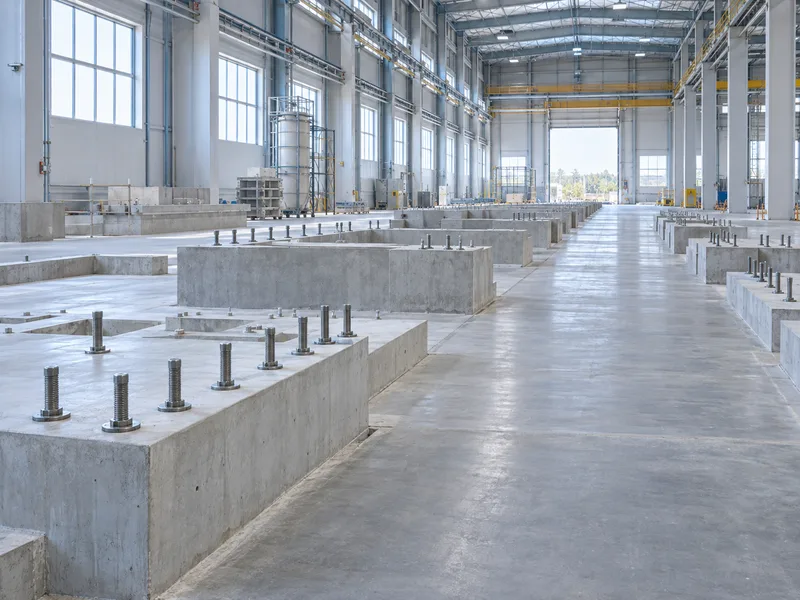
Review civil works against the approved equipment arrangement. Foundations, embedded items, clearances and access routes should be inspected by the responsible project professionals. The equipment supplier’s installation requirements must be coordinated with the site’s design and construction obligations.
Utilities should be described by their required availability and connection dates, not simply marked available. An electrical supply or process service that exists elsewhere on the property may not be ready at the machine connection point. Confirm testing and release responsibilities before planning commissioning.
Use the plant commissioning readiness plan to connect delivery with the later start-up sequence. Equipment arrival is only one dependency among staffing, materials, utilities and technical checks. Keeping these dates separate exposes gaps while there is still time to act.
Convert Open Questions Into a Controlled Schedule
Maintain one open-item register with an owner, required decision and due date for every unresolved input. Link each item to the milestone it can delay. This prevents the schedule from presenting certainty while the engineering correspondence shows unresolved choices.
Hold a release review once the critical inputs are complete. Ask the supplier to state the manufacturing basis, inspection allowance and dispatch assumptions, and ask the buyer’s team to confirm logistics and site readiness. Issue one agreed schedule revision that supersedes earlier planning versions.
When an input changes, assess its consequence before accepting the new date. A small drawing adjustment may have no effect if it arrives before fabrication, but the same adjustment later can require rework. Record the decision and communicate the revised dependency to affected parties.
What Should the Buyer Send First?
Prepare a concise project brief containing the product range, capacity basis, site location, current layout, utility information and preferred milestone dates. Attach the approved scope and list the information still pending. With pending decisions identified alongside the approved inputs, the supplier can assess which engineering and procurement activities are ready for release.
Use the Runding project contact channel to coordinate the technical and delivery review. Ask for a schedule tied to named inputs and release events. That record is more useful than an isolated lead-time promise because both sides can see what must happen to keep the shipment on course.