
Before ordering an AAC production line, confirm the actual supply voltage, frequency, phase arrangement, available capacity and electrical connection point with the site electrical designer. Give the machinery supplier a documented supply description and request a matching load schedule, starting requirements, protection information and installation scope. The equipment list must be connected to a site-specific electrical design, rather than reduced to one kilowatt total.
This review should happen while the plant layout and equipment list are still being developed. The objective is to identify decisions that could change the transformer, distribution equipment, cable routes or machine controls before manufacturing begins.
Why Is a Country Name Not a Complete Supply Specification?
The supplier needs the conditions at the proposed machine connection, rather than a general assumption about the destination country. Industrial facilities can have different distribution arrangements, and a new plant may receive power through a transformer selected specifically for that project.
Record the nominal line voltage and frequency, the phase configuration, and the earthing arrangement identified by the electrical designer. Specify whether a neutral conductor will be available where the supplier expects one. Separate confirmed site information from provisional values awaiting utility or engineering approval.
A statement such as “standard local power” leaves several parties to interpret the same requirement independently. A controlled electrical data sheet gives the buyer, contractor and machine builder one reference document, with a revision date and an owner for unresolved entries.
Which Conditions Could Change the Equipment Selection?
Report known supply variations, interruptions and planned generator operation. These conditions may affect motor starting, control power arrangements and the intended restart sequence. Describe the operating circumstances instead of promising perfect supply quality when no assessment has been completed.
Evaluate the proposed machinery against the supply conditions recorded for its intended installation. Any assumptions about acceptable variation should be written into the technical agreement and reviewed by the responsible electrical specialists.
How Should Buyers Interpret Installed Power and Operating Demand?
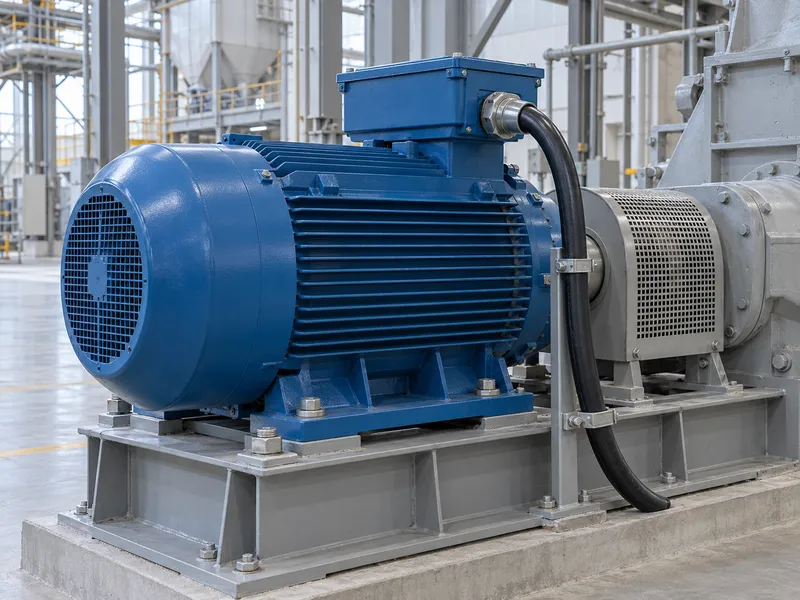
Installed motor power describes the equipment connected to the plant, but it does not by itself determine the demand at every moment. Mills, pumps, conveying equipment and cutting drives do not necessarily start together or operate continuously at their rated output. Conversely, a low average consumption figure does not prove that the supply can handle a demanding starting event.
Request a load schedule identifying each major consumer, its duty and its proposed starting method. The schedule should distinguish equipment supplied within the production line from utilities and building services supplied by others. Use it as input to an electrical assessment, rather than selecting the transformer from a marketing summary.
The AAC raw material preparation equipment deserves particular attention because grinding and material transport create a different demand pattern from intermittent handling movements. Establish which preparation machines continue running while the downstream line pauses.
Which Auxiliary Loads Belong in the Plant Schedule?
Check the boundary for compressors, dust collection, water treatment, cooling, workshop services and control-room equipment. Include electrically driven equipment associated with the steam system where applicable. An item excluded from the machine quotation can still be a significant part of the site power requirement.
Future capacity should also be defined as a specific expansion scenario. Reserving space for an additional feeder is different from allowing for another grinding system. The designer needs the proposed future loads and sequence, not an unexplained percentage added to the present total.
Which Starting and Restart Conditions Need Agreement?
Identify the largest starting events and how the supplier proposes to manage them. The effect depends on the motor, driven load, starting arrangement and supply characteristics. Two plants with similar installed power can therefore place different demands on their incoming supply.
Discuss the permitted sequence for starting groups of machines and the controls needed to prevent unintended simultaneous starts. Confirm whether any process equipment must remain available during a planned stop. The resulting operating sequence should agree with the production process and the electrical design.
For example, a hypothetical plant may restart a slurry transfer system before enabling the next batching cycle, while delaying another large drive. This illustrates the need for a defined sequence; it is not a recommended sequence for every AAC line. The machinery designer must establish the appropriate behavior for the supplied system.
What Happens After a Power Interruption?
Specify how controls retain production information, what requires operator acknowledgement and how interrupted batches are identified. A restored electrical supply should not be confused with authorization for every machine to resume movement. Review restart behavior as part of the coordinated machine safety and process assessment.
Where backup power is proposed, identify exactly which loads it serves and for how long. A system supporting controls and records has a different purpose from one expected to run production motors. Confirm the intended transfer and recovery behavior with both equipment suppliers.

What Information Connects the Factory Supply to the Machine Panels?
The connection boundary needs a drawing and an assigned scope of work. It should show where the buyer’s distribution ends and where the machine supplier’s equipment begins. The electrical designer and panel manufacturer must exchange the information needed to select compatible equipment.
| Information to Confirm | Procurement Purpose | Responsible Coordination |
| Supply point and electrical system | Define the incoming connection arrangement | Site designer and machine supplier |
| Load schedule and starting duties | Assess demand and starting performance | Machine supplier and site designer |
| Available fault information | Coordinate panel and protective equipment ratings | Site designer and panel manufacturer |
| Cable routes and termination scope | Avoid missing installation work | Buyer, contractor and supplier |
| Environmental conditions | Specify suitable enclosures and cooling | Buyer and machine supplier |
Fault information at the connection point matters as well as normal operating demand. The site electrical designer should provide the relevant assessment for coordination with the machine equipment ratings and protection. This is a design interface, not a value to infer from the production capacity.
Resolve who supplies incoming cables, trays, glands, terminations and protective bonding connections. Record any separation between delivery, installation, inspection and commissioning responsibilities. A complete equipment package can still leave these site activities outside the quoted scope.
How Do Layout and Environment Affect the Electrical Package?
Panel positions influence cable lengths, access and exposure to production conditions. Review dust, moisture, ambient temperature and cleaning practices for each area. A protected control room and a panel beside a wet process do not present the same environment.
Provide the supplier with the actual intended panel locations, including service access and cable entry direction. Confirm cooling provisions and the space required to open doors or replace components. These requirements should appear on the layout before surrounding equipment fixes the available space.
Define how the AAC block cutting machine exchanges operating signals with the handling equipment on either side. Specify the signals exchanged between separately supplied systems and identify who tests the complete sequence. A mechanically continuous line still needs a coherent control interface.
Which Documents Should Be Ready Before Shipment?
Agree the document package early enough for the installer to use it. It normally needs to describe the supplied electrical system, connections, component identification and operating requirements. Confirm the required language, revision control and format instead of discovering at installation that critical drawings are missing.
The buyer should also establish who reviews applicable project requirements and any required inspections. A reference to a machinery standard does not settle every local installation obligation or the requirements of all specialized equipment. Record the agreed design basis without assuming that one certificate covers the entire factory.
What Should the Final Electrical Agreement Contain?
Close the order with a supply data sheet, an agreed load schedule, a marked connection boundary and a list of remaining engineering decisions. Tie these documents to the selected equipment configuration. Changes to a major drive or expansion plan should trigger a review of the affected electrical assumptions.
For a Runding AAC project, provide the proposed site supply information alongside the production target and layout. This allows the machinery proposal and the site electrical design to develop together. The practical buying objective is a clearly coordinated installation, supported by identifiable responsibilities and testable operating requirements.