— Blogs —
Building Better Starts with Better Production
Discover how advanced AAC machinery and smarter processes support efficient building material manufacturing.
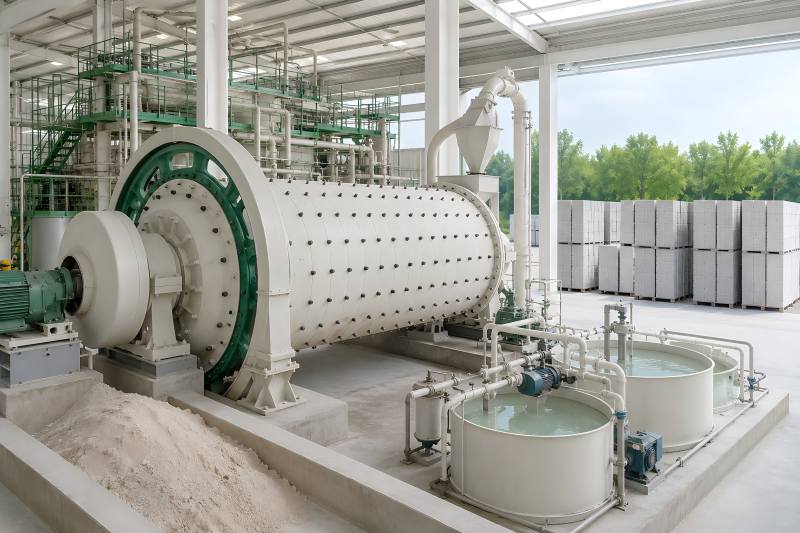
Grinding fineness affects slurry stability, mixing, autoclave reaction, energy use, and AAC strength. Too coarse can cause settling and incomplete […]
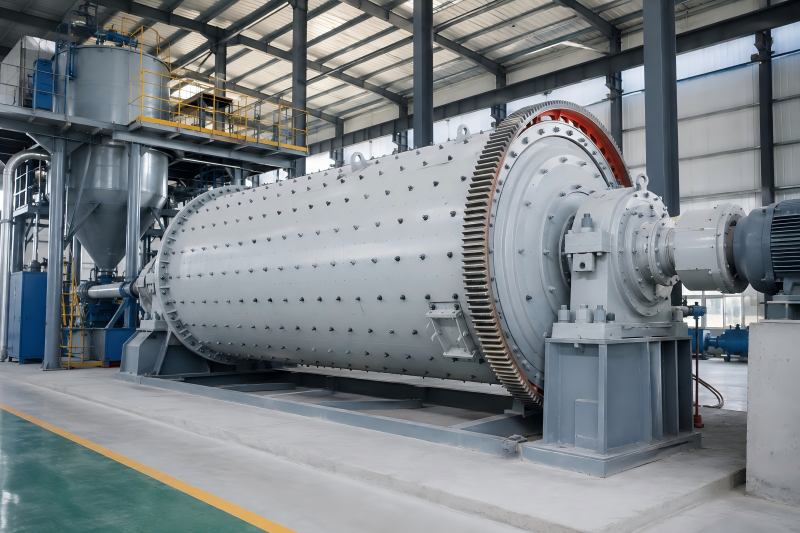
In an AAC plant, the ball mill grinds silica-rich materials before slurry preparation, directly affecting production stability. Its capacity should […]
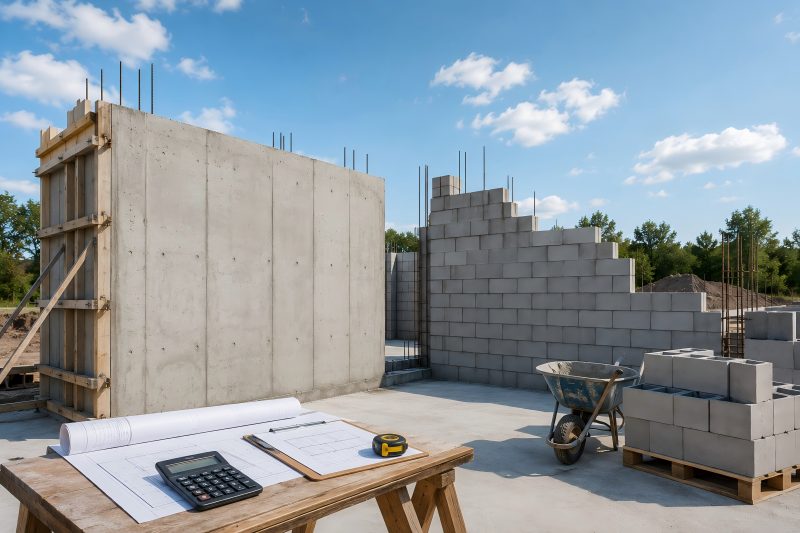
When comparing poured concrete and block walls, cost per square foot is only part of the picture. Labor, equipment, reinforcement, […]
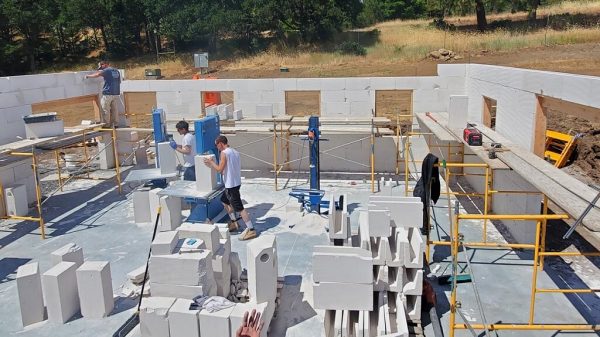
AAC blocks are a type of lightweight, energy-efficient, and environmentally friendly building material that has gained popularity in the construction […]
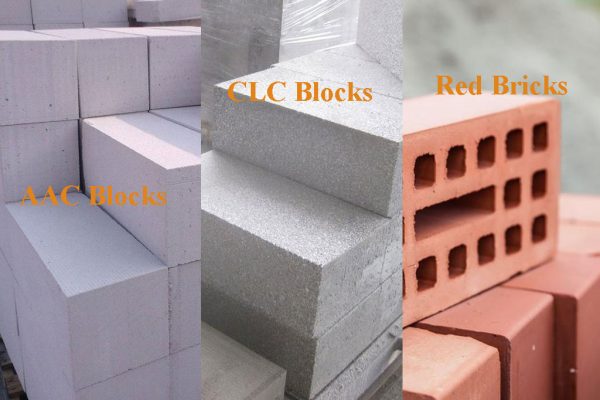
Among the prominent options for building structures are AAC blocks, CLC blocks, and traditional red bricks. These three contenders have […]
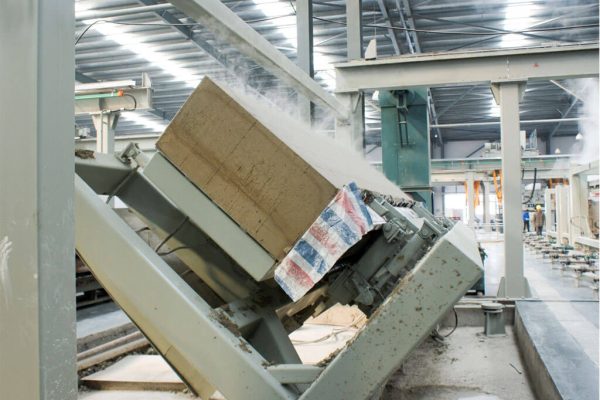
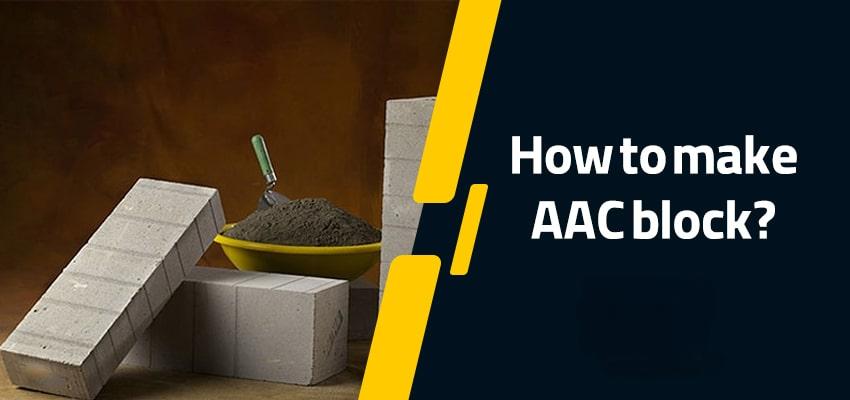
The AAC block manufacturing process involves a sequence of carefully orchestrated steps, each contributing to the creation of a lightweight, […]
In the realm of construction, progress has consistently been fueled by the driving force of innovation. One such groundbreaking innovation […]
The size of an aerated concrete block is one of the most important factors affecting its variety and uses. Understanding […]
AAC (autoclaved aerated concrete) blocks are popular in modern construction for their sustainability, insulation, and lightweight. Made from cement, lime, […]
Blocks of autoclaved aerated concrete (AAC) are becoming more well-liked as a flexible and environmentally beneficial building material. Known for […]
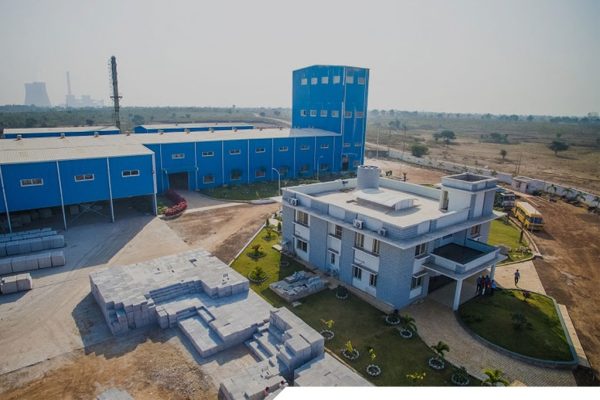
Starting an AAC block business offers strong potential in the building materials market. AAC is lightweight, energy-efficient, fire-resistant, and widely […]
Autoclaved Aerated Concrete (AAC) is widely used for lightweight wall blocks, panels, and energy-saving building materials. For investors, contractors, and […]