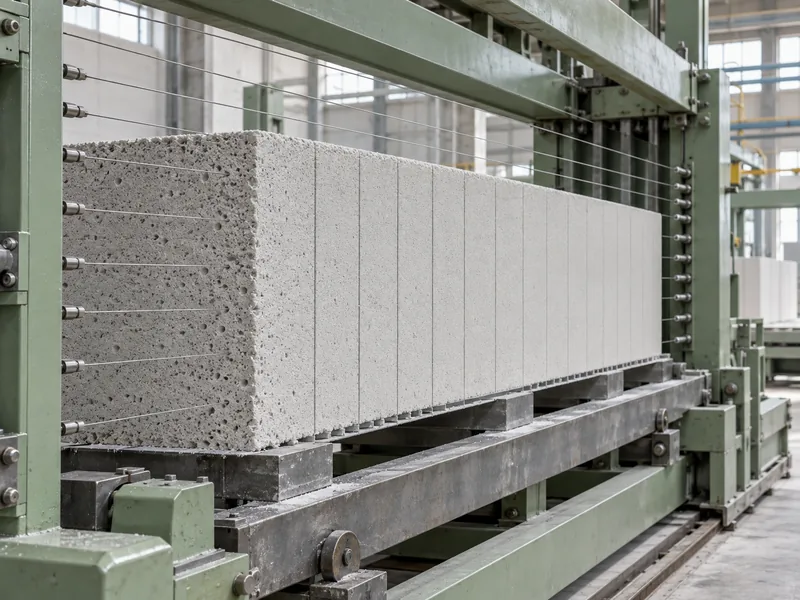
How to Reduce Wire Marks and Edge Damage During AAC Block Cutting
Trace AAC cutting defects to their source with practical checks for green cake condition, cutting wires, support alignment, and finished block dimensions.

Trace AAC cutting defects to their source with practical checks for green cake condition, cutting wires, support alignment, and finished block dimensions.
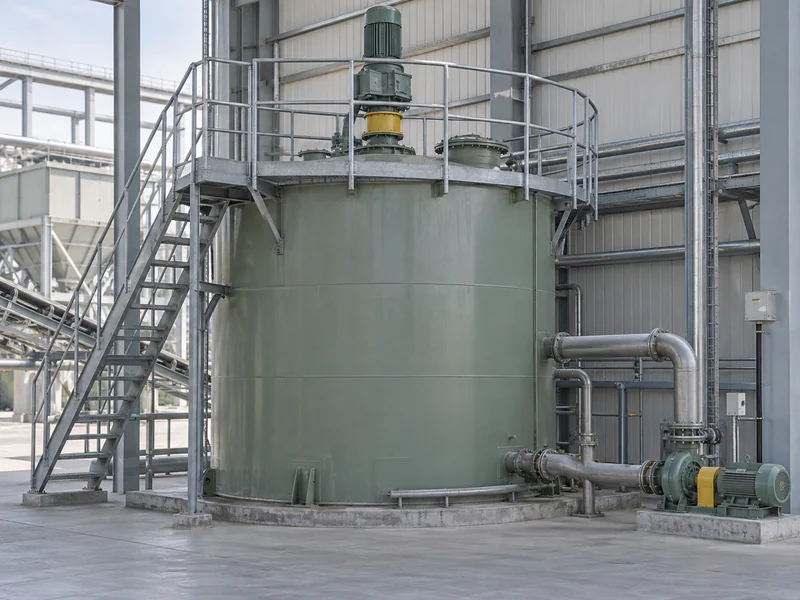
A practical diagnostic route from the slurry tank to the batching station, with sampling comparisons, symptom checks, and restart records.

Compare practical steam improvement priorities before committing to more capacity, with a transparent example of steam use per accepted cubic metre.

A milestone-based commissioning guide with release decisions, a responsibility matrix, trial records, and the documents needed for a useful handover.
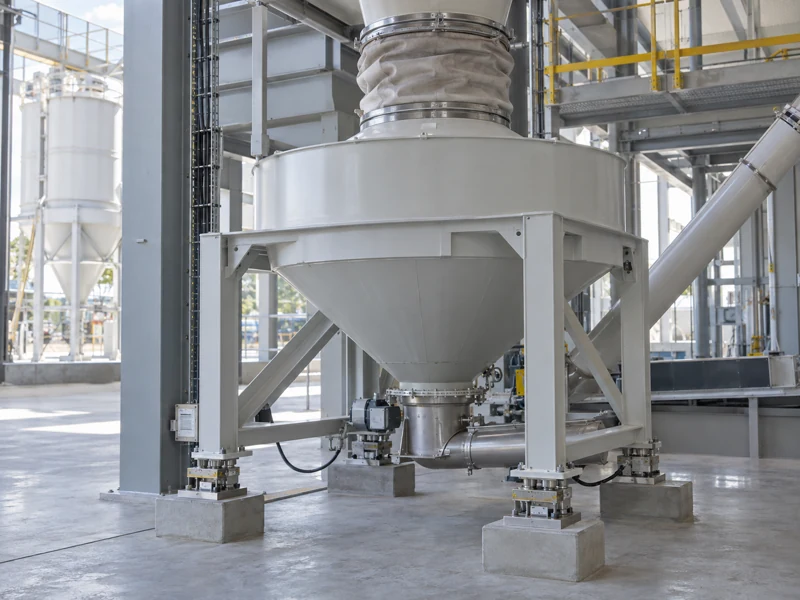
A measurement-chain guide to tracing dosing variation, with a diagnostic table and a practical batch audit.
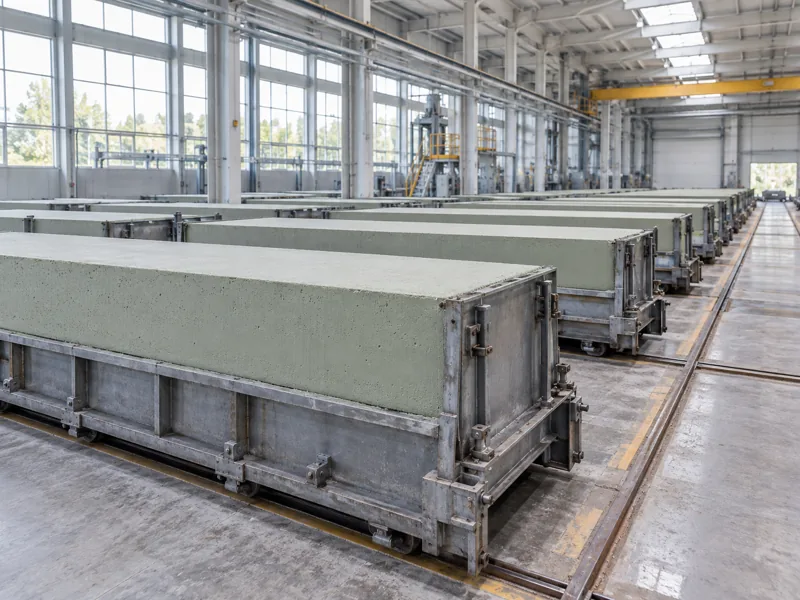
A release-decision guide for the precuring stage, with exception paths and practical shift handover records.
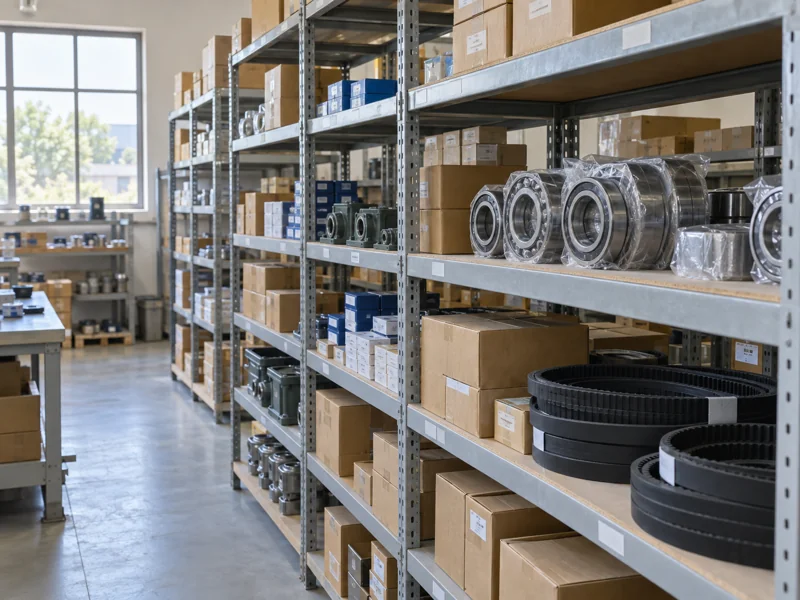
A purchasing and stores guide that ranks spare parts by production risk and explains how to make stocked items ready for use.
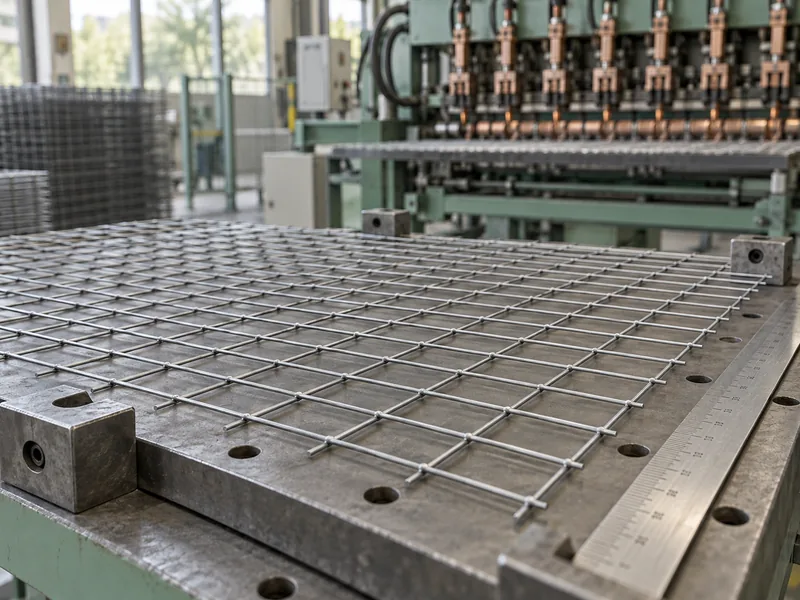
Organize AAC panel reinforcement preparation with traceable steel, mesh welding checks, protective coating controls, and pre-pour acceptance.
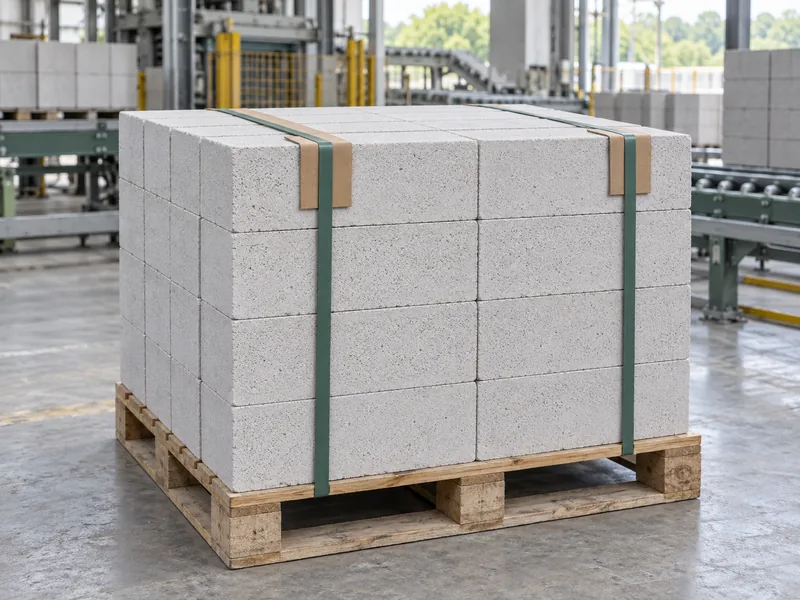
Locate the first damaging contact in AAC separation and packing, then validate clamp contact, transfers, stack support, and strap settings.
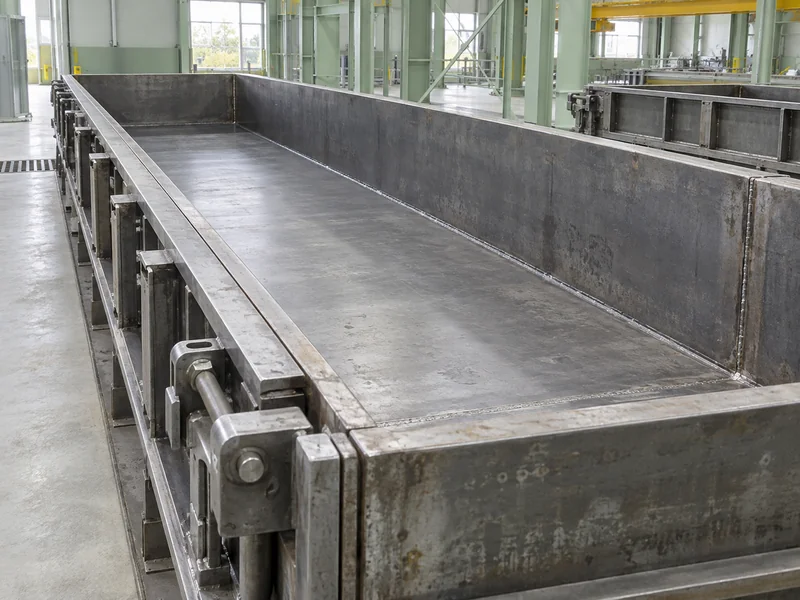
Build a consistent AAC mould preparation routine with practical cleaning, inspection, release agent application, and production handover checks.

From September 15 to 18, 2026, Runding participated in bauma CONEXPO INDIA 2026 at the India Expo Centre in Greater

In AAC production, raw-material fineness is easy to treat as a milling specification: grind the sand or fly ash to