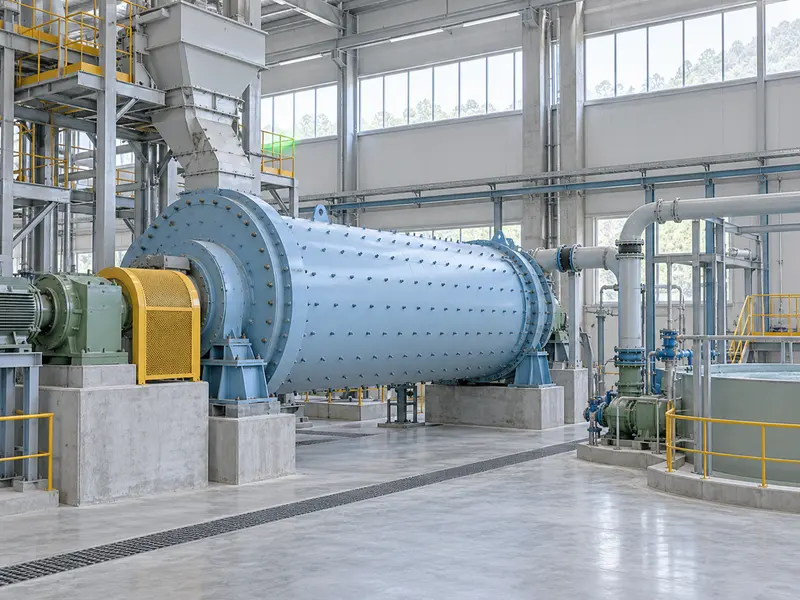
When Should an AAC Plant Use Dry Grinding or Wet Grinding?
Compare dry and wet grinding for AAC materials using moisture, slurry demand, water balance, storage, dust control and whole-system operating costs.

Compare dry and wet grinding for AAC materials using moisture, slurry demand, water balance, storage, dust control and whole-system operating costs.
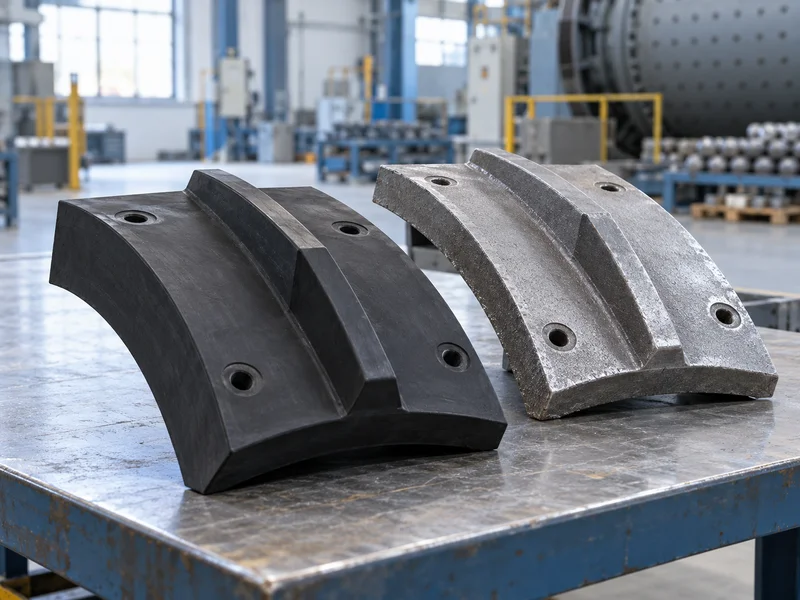
Compare rubber and steel AAC ball mill liners by duty, profile, wear records, relining access and cost per accepted tonne before specifying replacements.
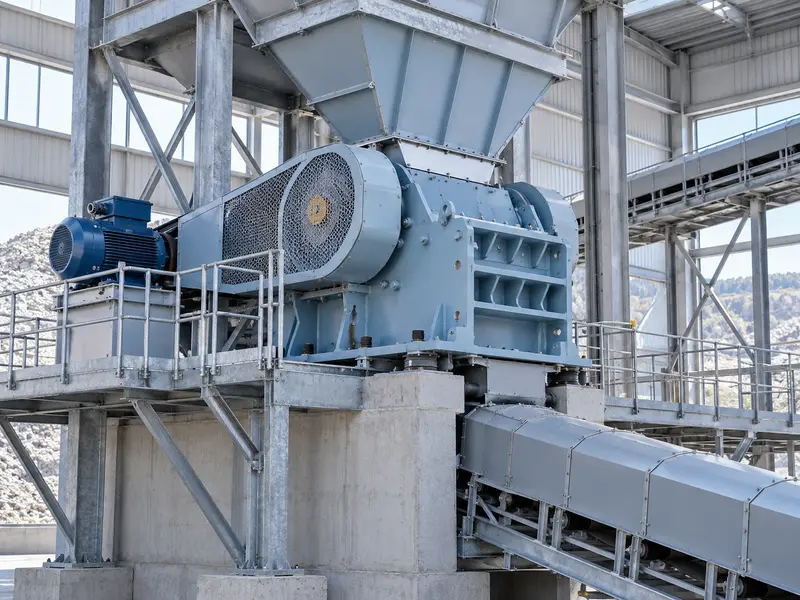
Match AAC jaw crusher feed and discharge size to the mill using representative grading, controlled feeding, oversize handling and an agreed acceptance test.
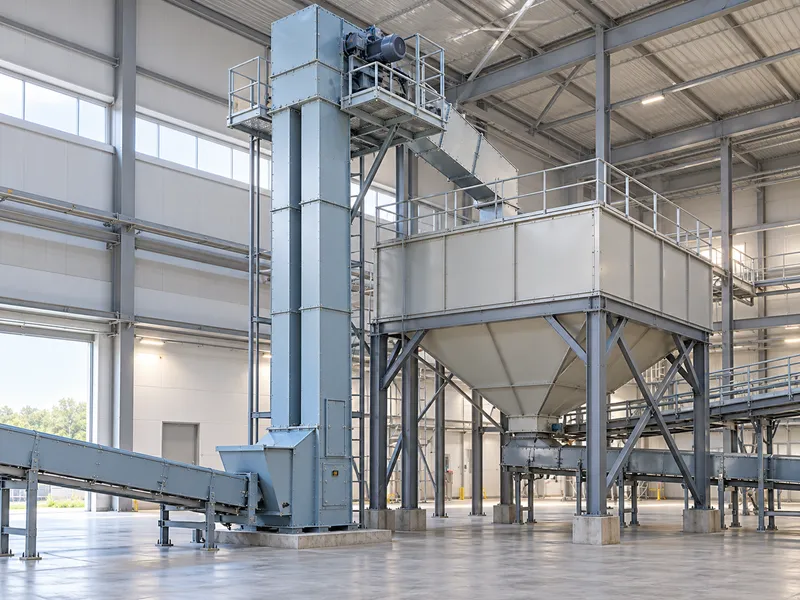
Compare belt and chain bucket elevators for AAC raw materials, with checks for temperature, particle size, usable capacity, access and supplier acceptance.
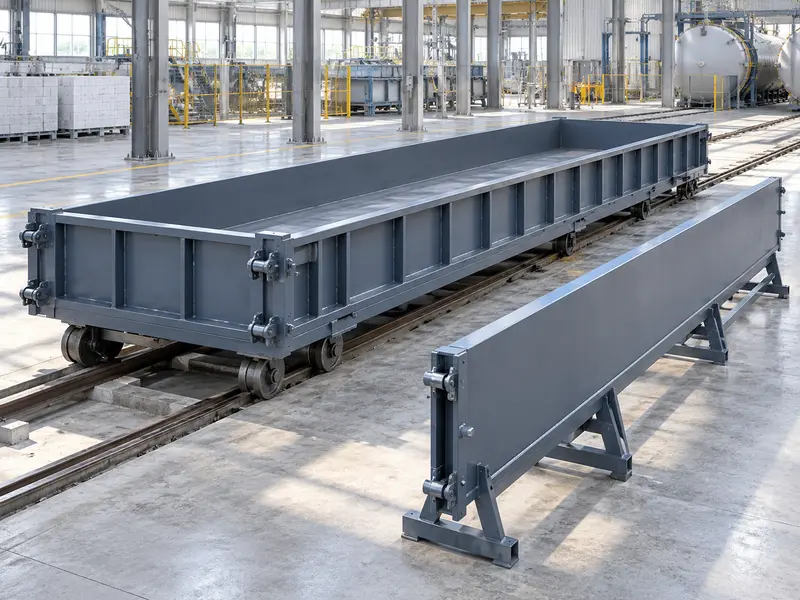
Check AAC mould dimensions against pouring, handling, cutting and autoclave interfaces before ordering a new line or replacement moulds.
Calculate AAC mould and side plate quantities from casting intervals, separate return loops, batch curing schedules and practical reserve requirements.
Plan AAC block size changes around approved cutting setups, cake readiness, first-piece checks and downstream packing to reduce disruption.
Specify AAC tilting and demoulding crane interfaces for mould engagement, loads, motion clearance, trolley handover, controls and acceptance.
Size AAC slurry tank working volume from batch withdrawals, refill timing, minimum operating level and reserve, with a clear illustrative calculation.
Confirm AAC line voltage, frequency, loads, starting duties, panel interfaces and installation responsibilities before ordering production equipment.
Compare AAC autoclave door layouts by movement envelope, loading routes, overhead clearance and maintenance access before selecting the configuration.
Define pallet dimensions, underside geometry, load conditions, quality limits and feeder trials before automating an AAC block packing line.